
A plain-English guide to Legionnaires' disease lawsuits and settlements — whether you have a case, what compensation covers, and how these claims are valued.
A Legionnaires' disease lawsuit is a personal-injury claim that seeks to hold a property owner or operator responsible when a poorly maintained water system makes someone sick. Most of these cases end in a negotiated settlement rather than a trial. If you or a loved one caught Legionnaires' disease and it may trace back to a specific building, hotel, or cooling tower, you may be able to pursue compensation for medical bills, lost income, and more.
This page explains, in plain English, how these lawsuits and settlements work — whether you have a case, what damages can cover, how claims are valued, and how long you have to act. This is general information, not legal or medical advice; talk to a doctor about symptoms and to a lawyer about your specific situation.
Can you sue for Legionnaires' disease?
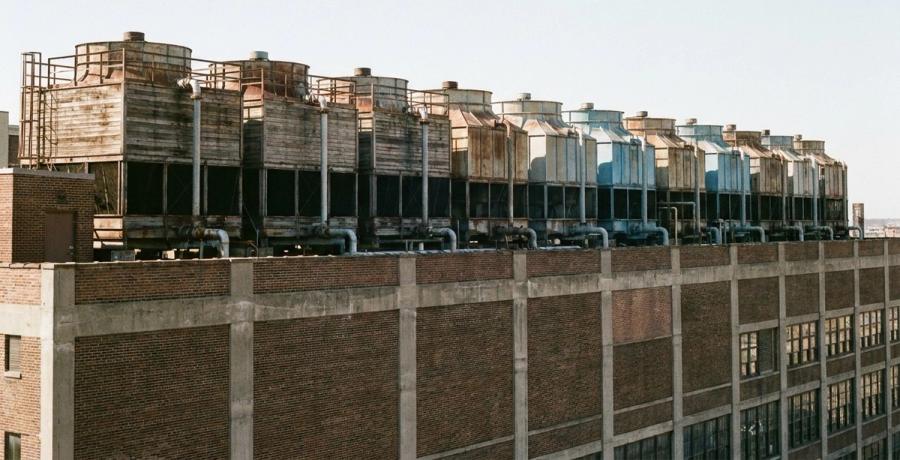
Yes — in many cases you can. Legionnaires' disease is a serious pneumonia caused by Legionella bacteria, and according to the CDC, people usually catch it by breathing in contaminated water droplets from sources like cooling towers, hot tubs, decorative fountains, showers, and complex building plumbing.
When a property owner or operator fails to properly maintain, test, or disinfect one of those water systems, and that failure lets Legionella grow and spread, an injured person may have a legal claim. These are usually premises-liability or negligence cases: the law expects those who control these systems to keep them reasonably safe, and a lawsuit asks whether they met that duty.
Suing is not automatic, though. You generally need proof of a confirmed illness, a likely exposure that can be traced to a place, and evidence that someone responsible fell short of their duty.
Do you have a Legionnaires' disease case?
You likely have a potential case if three things line up. A lawyer reviews these together, because a strong claim usually needs all three:
- A confirmed Legionnaires' diagnosis. According to the CDC, doctors typically confirm it by pairing a urinary antigen test with a lower-respiratory culture or molecular (PCR) test.
- A traceable likely exposure. There is a reasonable link between your illness and a specific building, hotel, workplace, or event you can point to.
- Evidence a responsible party breached a duty. For example, records showing missed maintenance, skipped testing, or ignored warning signs on a water system.
Even if you are not sure all three are present, it is worth asking. Investigating exposure and gathering water-system records is exactly the kind of work a law firm does before deciding whether a claim can move forward.
What compensation can you recover?
Compensation in a Legionnaires' disease claim is meant to cover the real costs an illness creates — it is not a fixed number, and no one can promise an amount. Depending on the facts, recoverable damages can include:
- Medical bills — hospital stays, ICU care, medication, oxygen, rehabilitation, and future treatment.
- Lost income — wages missed during illness and recovery, and reduced earning ability if the illness causes lasting harm.
- Pain and suffering — the physical pain, limitations, and emotional toll of a severe lung infection.
- Wrongful-death damages — in fatal cases, compensation for a grieving family's losses, which can include funeral costs and the loss of a loved one's support and companionship.
We do not quote dollar figures or "average settlements," because every case is different and the numbers depend on the specific harm and evidence involved.
How are Legionnaires' disease settlements decided?
Legionnaires' disease settlements are decided by the specific facts of each case, not by a set formula or a published average. When both sides weigh a claim, the factors that tend to matter most include:
- The severity of the illness — whether it meant a short hospital stay or long-term lung damage, ICU care, or death.
- The strength of the exposure link — how clearly the illness can be tied to a particular water system or location.
- The evidence of negligence — maintenance logs, testing records, inspection history, and expert analysis of the water system.
- Financial losses — documented medical costs, lost wages, and future care needs.
- The number of people affected and the resources of the responsible party.
Because these factors combine differently in every case, two people who got sick in the same outbreak can have very different claims.
How long do you have to file a claim?
You do not have unlimited time. Every state sets a deadline — called a statute of limitations — for filing a personal-injury or wrongful-death claim, and these deadlines vary by state and situation. Some are relatively short, and evidence can disappear quickly.
Because the clock may already be running, the safest step is to talk to a lawyer promptly rather than wait. An attorney can tell you which deadline applies to your circumstances and help preserve important records before they are lost.
How Traction Law Group helps
Traction Law Group represents injured people and families on the plaintiff side. If you may have a Legionnaires' disease claim, here is how we help:
- We investigate nationwide. Working with experienced co-counsel, we look into where exposure likely happened and gather the water-system records that a claim depends on.
- We handle the legal work. From reviewing medical records to identifying who may be responsible — see who is liable for Legionnaires' disease — we manage the details so you can focus on recovery.
- You pay nothing unless we recover money for you. We work on a contingency fee, so there is no upfront cost to have your case reviewed or pursued.
If your illness may be connected to the recent Upper East Side cluster, you can also read our NYC Legionnaires' disease outbreak investigation. To learn more about your options, start with our main Legionnaires' disease lawyer page or request a free case review.
Sources
Frequently Asked Questions
In many cases, yes. If a property owner or operator failed to properly maintain, test, or disinfect a water system and you caught Legionnaires' disease as a result, you may have a premises-liability or negligence claim. A lawyer can review whether the facts support a case.
There is no set amount or reliable "average," and no one can promise a figure. The value depends on factors like how severe the illness was, how strong the link to a specific source is, the evidence of negligence, and your financial losses.
It depends on your state, which sets its own deadline (statute of limitations) for personal-injury and wrongful-death claims. These deadlines vary and can be short, so it is best to consult a lawyer promptly to protect your rights.
Nothing upfront. We work on a contingency fee, which means you pay nothing unless we recover money for you. Your initial case review is free.
See a doctor about your symptoms and diagnosis first. Then keep any records tied to where you may have been exposed, and speak with a lawyer promptly so evidence can be preserved and deadlines are not missed.
Speak With Our Legionnaires' Disease Team Today.
Free case review. No fees unless we win.