
A plain-English guide to what Legionnaires' disease is, how people get exposed, who's most at risk, and how outbreaks are prevented.
Legionnaires' disease is a serious lung infection — a type of pneumonia — caused by Legionella bacteria. According to the CDC, people get it by breathing in small water droplets, or aerosols, that contain the bacteria. It's not spread person to person, and you don't get it from drinking water. This guide covers where Legionella comes from, how people are typically exposed, who's most at risk, and how building owners are supposed to prevent it.
What is Legionnaires' disease?
Legionnaires' disease is a lung infection caused by Legionella bacteria. The CDC describes it as a serious form of pneumonia that can range from mild to life-threatening, and it can be fatal without prompt treatment. A milder illness caused by the same bacteria, called Pontiac fever, causes flu-like symptoms without pneumonia and typically resolves on its own.
What causes it? Where does Legionella come from?
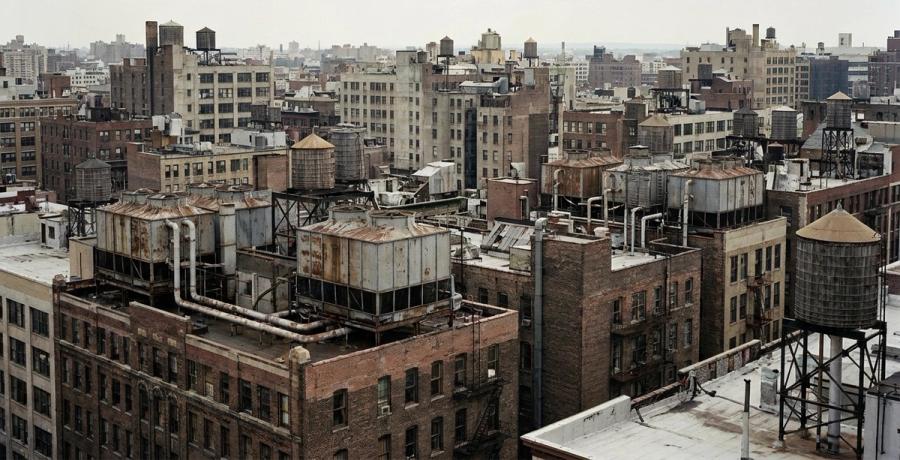
Legionella bacteria occur naturally in freshwater environments like lakes and streams, generally in low numbers that aren't a health concern. Problems arise when the bacteria get into human-made water systems — cooling towers, hot tubs, decorative fountains, showers, and complex building plumbing or hot-water systems — where warm, stagnant water lets Legionella grow to dangerous levels. Poor maintenance, inadequate disinfection, and infrequent testing of these systems are common conditions that allow the bacteria to multiply.
How do people get exposed?
People are exposed to Legionnaires' disease by breathing in contaminated water droplets. Common sources, according to the CDC, include:
- Cooling towers (large rooftop air-conditioning and heat-rejection units)
- Hot tubs and whirlpool spas
- Decorative fountains and water features
- Showers and faucets
- Complex building plumbing and hot-water systems, including in hotels, hospitals, and large residential or office buildings
You don't get Legionnaires' disease from drinking contaminated water, and it isn't spread from person to person.
Who is at risk?
Anyone can be exposed to Legionella, but not everyone who's exposed gets sick, and not everyone who gets sick develops severe illness. According to the CDC, people at higher risk for severe illness include those who:
- Are age 50 or older
- Currently smoke or used to smoke
- Have chronic lung disease
- Have a weakened immune system
People in these groups who develop pneumonia-like symptoms after a possible exposure should see a doctor promptly. For more on symptoms and timing, see our page on Legionnaires' disease symptoms after exposure.
How serious is Legionnaires' disease?
Legionnaires' disease can be serious. It's a form of pneumonia that, according to the CDC, can lead to respiratory failure and can be fatal, particularly in older adults, smokers, and people with weakened immune systems or chronic lung disease. Prompt diagnosis and antibiotic treatment matter. For more on how doctors confirm a diagnosis, see our page on Legionnaires' disease testing and diagnosis. This guide offers general information, not medical or legal advice — see a doctor about symptoms, and speak with an attorney about your specific situation.
Recent Legionnaires' disease outbreaks
Legionnaires' disease outbreaks are investigated by local health departments when clusters of cases appear in the same area. As of July 20, 2026, NYC Health has been investigating a community cluster of Legionnaires' disease in the Carnegie Hill and Yorkville neighborhoods of the Upper East Side of Manhattan, in ZIP codes 10028, 10128, and 10075. NYC Health has published lists of cooling-tower locations with initial PCR-positive results and reported ongoing case updates. Because outbreak details change quickly, readers should check NYC Health's website directly for the latest figures. For a full timeline and more detail on this cluster, see our NYC Legionnaires' disease outbreak investigation page.
How is Legionnaires' disease prevented?
Legionnaires' disease is largely preventable through proper maintenance and testing of water systems, particularly cooling towers. NYC and New York State have among the nation's strictest Legionella rules: NYC requires cooling towers to be registered, to have written maintenance plans, and, since May 8, 2026, to be sampled for Legionella roughly every 31 days while operating, with results reported to the city. New York State's Subpart 4-1 sets a broader statewide framework for Legionella risk management. Owners and operators of cooling towers — including hotels, hospitals, apartment buildings, office buildings, and nursing homes — have legal duties to maintain, test, and disinfect these systems to reduce the risk of Legionella growth.
To learn more about this practice area and what to do if you or a family member has been diagnosed with Legionnaires' disease, visit our Legionnaires' disease lawyer hub page. Traction Law Group offers a free case review, and you pay nothing unless we recover money for you. Contact us to get started.
Sources
Frequently Asked Questions
It's a serious lung infection, a type of pneumonia, caused by breathing in water droplets contaminated with Legionella bacteria. It's not spread person to person.
Legionella occurs naturally in freshwater but becomes dangerous when it grows in human-made water systems like cooling towers, hot tubs, fountains, and building plumbing that aren't properly maintained.
No. According to the CDC, Legionnaires' disease is caught by breathing in contaminated water droplets, not by drinking water.
No. Both are caused by Legionella bacteria, but Pontiac fever is a milder illness with flu-like symptoms and no pneumonia, while Legionnaires' disease is a serious lung infection that can be fatal.
Outbreaks are reported periodically in the United States, often tied to cooling towers or other building water systems. As of July 20, 2026, NYC Health is investigating a cluster on Manhattan's Upper East Side; check NYC Health directly for the latest case counts.
Through regular testing, cleaning, and disinfection of water systems like cooling towers. In New York City, cooling towers must be registered, have maintenance plans, and be sampled for Legionella roughly every 31 days while operating.
Speak With Our Legionnaires' Disease Team Today.
Free case review. No fees unless we win.