
Legionnaires’ Disease Lawyers.
Holding property owners accountable when a neglected water system makes people sick.
A Legionnaires’ disease lawyer helps people who got sick — and families who lost someone — when a property owner failed to keep a water system safe. When cooling towers, hot tubs, and building plumbing are neglected, the people who control them may be held responsible.
Traction Law Group represents injured people on the plaintiff side. We investigate where exposure likely happened, gather the water-system records a claim depends on, and pursue compensation.
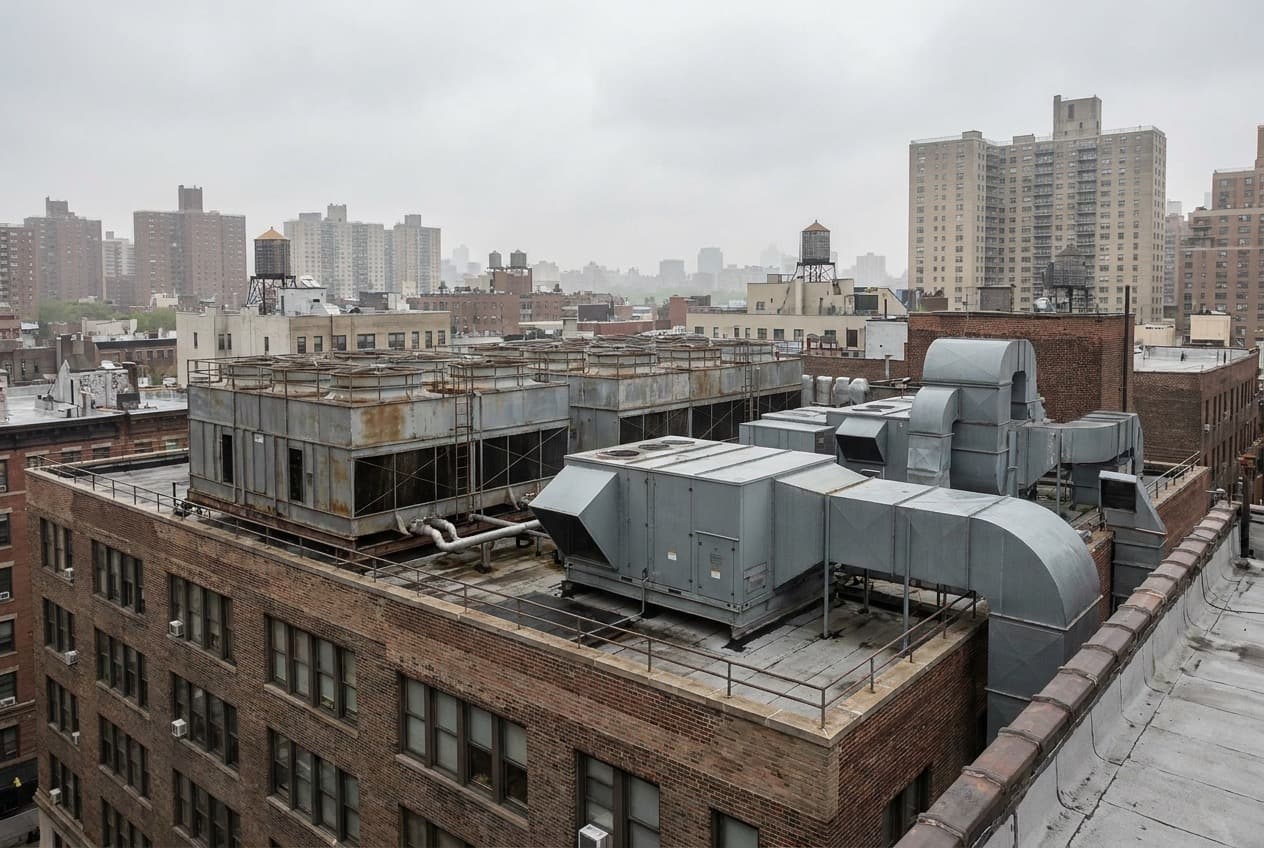
Turning a diagnosis into accountability.
Legionnaires’ disease is a serious pneumonia caused by Legionella bacteria. According to the CDC, it spreads when people breathe in contaminated water droplets from sources like cooling towers, hot tubs, fountains, and building plumbing. When those systems are neglected, the illness that follows is often preventable.
When you contact us, we look closely at what made you sick and who may be responsible. Our investigation typically covers:
- Whether your illness traces to a specific building, hotel, workplace, or event
- Cooling-tower maintenance, cleaning, and Legionella testing records
- Whether required registration, water-management, and testing rules were followed
- Inspection history and prior violations at the property
- Your diagnosis, medical records, and the full cost of your illness
- Which owners, operators, or maintenance companies had a duty to keep the system safe
This page offers general information, not legal or medical advice — see a doctor about symptoms and talk to a lawyer about your situation. You pay nothing unless we recover money for you.
Where Legionnaires’ exposure happens.
Legionella grows in human-made water systems when they are not properly maintained. These are the settings where exposure most often occurs.
Hotels & resorts
Cooling towers, hot tubs, pools, and fountains can spread Legionella to guests when upkeep lapses.
Learn more 02Hospitals & nursing homes
Vulnerable patients and residents face higher risk when a facility neglects its water systems.
Learn more 03Apartment & office buildings
Shared plumbing, hot-water systems, and rooftop cooling towers can harbor bacteria when ignored.
Learn more 04Cooling-tower outbreaks
Rooftop heat-rejection units are a well-known source of community clusters — like the 2026 Upper East Side outbreak.
Learn more 05Hot tubs & spas
Warm, aerosolized water is an ideal environment for Legionella to grow and spread.
Learn more 06Workplaces
Building water and HVAC systems can expose employees and visitors when required maintenance is skipped.
Learn moreUnderstand your Legionnaires’ claim.
Clear, plain-English answers about the illness, the law, and how these cases work.
Legionnaires' lawsuits & settlements
Whether you have a case, what compensation covers, and how these claims are valued.
Read moreWho is liable?
Hotels, hospitals, landlords, and building owners — and how an outbreak source is traced.
Read moreSymptoms after exposure
Warning signs, how soon they appear, and when to see a doctor.
Read moreTesting & diagnosis
How Legionnaires’ disease is confirmed, and what a positive test does and doesn’t tell you.
Read moreWhat is Legionnaires' disease?
A plain-English guide to causes, risk factors, and prevention.
Read moreNYC Upper East Side outbreak
Our investigation into the 2026 Carnegie Hill and Yorkville Legionnaires’ cluster.
Read moreHow a Legionnaires’ case unfolds.
From the first phone call through resolution, here is what to expect when working with Traction Law Group.
Free Case Review
Tell us what happened. There is no cost and no obligation.
Investigation
We look into where exposure likely occurred and identify who may be responsible.
Evidence & Records
We gather maintenance logs, testing records, and inspection history before they can be lost.
Pursue Compensation
We build your claim and pursue recovery for medical bills, lost income, and more.
Questions people often ask.
Answers to common questions about Legionnaires’ disease claims. If your question isn’t here, reach out — we’re happy to talk it through.
You may, if three things line up: a confirmed Legionnaires’ diagnosis, a likely exposure that traces to a specific place, and evidence a responsible party failed to properly maintain or test a water system. A free case review is the fastest way to find out.
We compare your diagnosis and the timing of your symptoms to places you visited, then examine the water-system and maintenance records for those locations. According to the CDC, symptoms usually appear 2 to 14 days after exposure, which helps narrow down where it likely happened.
Nothing upfront. We work on a contingency fee, so you pay nothing unless we recover money for you. Your initial case review is always free.
Every state sets its own deadline, called a statute of limitations, for personal-injury and wrongful-death claims. These deadlines vary by state and can be short, so it is best to speak with a lawyer promptly.
Not necessarily. Many Legionnaires’ disease claims resolve through a negotiated settlement rather than a trial. If a fair resolution cannot be reached, we can pursue your case further, and we will explain your options at each step.
Let’s talk about your case.
Every case starts with a conversation. Tell us what happened. We’ll listen, answer your questions, and explain what comes next. The review is free and obligates you to nothing.
- Nationwide investigation of Legionnaires’ disease claims.
- You pay nothing unless we recover money for you.
- Free case review.
Let’s Talk About Your Case.
No fees unless we win. Available 24/7.
Now Is the Time for Action.
Act now — your case may be time-sensitive.