
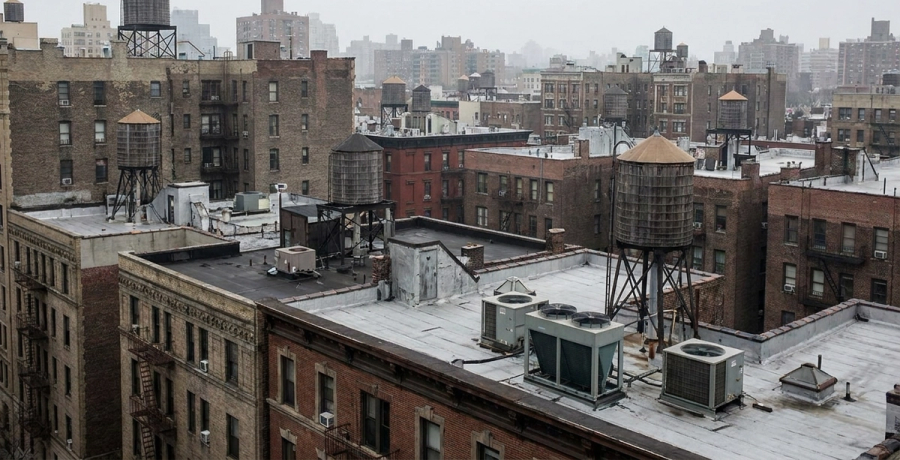
NYC Health is investigating a Legionnaires' disease cluster on the Upper East Side. Here is what official sources report about the 2026 outbreak as of July 21, 2026.
The New York City Legionnaires' disease outbreak on the Upper East Side is a community cluster that health officials began investigating in early July 2026. As of July 21, 2026, NYC Health described 82 cases and 5 deaths connected to the Carnegie Hill and Yorkville neighborhoods of Manhattan, in ZIP codes 10028, 10128, and 10075. This report summarizes what is publicly known about the legionnaires disease New York investigation. Case counts change as testing continues, so check NYC Health for the most current numbers.
The information below is drawn from NYC Health, the NYC Mayor's Office, the U.S. Centers for Disease Control and Prevention (CDC), and news reporting; it is general information, not medical or legal advice, so see a doctor about any symptoms and consult an attorney about your own situation.
What is happening with the Legionnaires' outbreak on the Upper East Side?
NYC Health is investigating a cluster of Legionnaires' disease cases among people who live or spend time on the Upper East Side. According to NYC Health, the investigation opened on July 2, 2026, after an unusual number of cases were reported in the same area. A "cluster" means several cases grouped in one place and time, signaling a likely shared source that officials work to find and shut down.
By late July, NYC Health said no new cases had been diagnosed in six days and no one had reported new symptoms in more than 10 days — findings the department said indicate its remediation efforts had likely eliminated the source of exposure. Deaths have continued to be reported among people already counted in the cluster.
Where is the outbreak? (neighborhoods and ZIP codes)
The outbreak is centered on the Carnegie Hill and Yorkville sections of the Upper East Side in Manhattan. NYC Health has named these ZIP codes as part of the investigation:
- 10028 — named when the cluster was first reported
- 10128 — named at the outset
- 10075 — added July 7, 2026 as the investigation expanded
If you spent time in these areas recently and feel sick, NYC Health advises contacting a health care provider.
How many people have been affected?
As of July 21, 2026, NYC Health described 82 people who have tested positive for Legionnaires' disease in this cluster (data last updated July 21 at 7:15 p.m.). The department broke that total down as:
- 5 deaths
- 8 people currently hospitalized
- 56 people discharged from the hospital
- 13 people not hospitalized
The department reported the cluster's first death on July 17 and its fifth on July 21.
These numbers are a snapshot in time and can be revised as laboratory results come in and officials confirm which cases belong to the cluster. For the latest figures, check the NYC Health website directly.
Timeline of the 2026 Upper East Side outbreak
Here is the chronology as reported by NYC Health and the Mayor's Office:
- July 2, 2026 — NYC Health launches an investigation into a community cluster in Carnegie Hill and Yorkville; initial ZIP codes 10028 and 10128.
- July 7, 2026 — The Mayor's Office announces accelerated PCR screening of cooling towers, public disclosure of addresses, and immediate remediation orders; the investigation expands to ZIP code 10075.
- July 10, 2026 — NYC Health releases a preliminary list of 31 buildings ordered to clean and disinfect their cooling towers.
- July 14, 2026 — NYC Health reports that new diagnoses are slowing, and publishes its list of cooling-tower systems that returned initial PCR-positive results.
- July 17, 2026 — NYC Health reports the first death in the cluster.
- July 18, 2026 — NYC Health says data indicates the source of exposure has likely been eliminated; about 183 cooling towers have been sampled.
- July 19, 2026 — NYC Health reports the second death in the cluster.
- July 20, 2026 — Further deaths bring the cluster total to four, as cases reach 74.
- July 21, 2026 — NYC Health reports a fifth death and 82 cases, and publishes confirmatory culture results: 34 cooling towers at 33 buildings tested culture positive for live Legionella, all since cleaned and disinfected. The department says no new cases have been diagnosed in six days and no new symptoms have been reported in more than 10 days.
What is Legionnaires' disease and how do people get it?
Legionnaires' disease is a serious form of pneumonia (a lung infection) caused by Legionella bacteria. According to the CDC, people catch it by breathing in contaminated water droplets in the air — mist that can come from rooftop cooling towers, hot tubs, decorative fountains, showers, and large building plumbing systems. It is not normally spread person to person, and you do not get it from drinking water.
The CDC says symptoms usually appear 2 to 14 days after exposure and can include cough, fever, chills, shortness of breath, muscle aches, and headache. Adults 50 and older, current or former smokers, and people with lung disease or weakened immune systems are at higher risk. For more detail, see our guide to what Legionnaires' disease is and our overview of symptoms after exposure.
What does the cooling-tower list mean?
NYC Health has published two different sets of cooling-tower results, and they mean different things. As of July 21, 2026, the department reported that 183 cooling towers at 160 buildings had been tested. Of those:
- 77 cooling towers at 75 buildings returned initial PCR-positive results.
- 34 cooling towers at 33 buildings returned culture-positive results, confirming live Legionella bacteria were present at the time of the test.
- All of them have been cleaned and disinfected.
It is important to understand what those lists are not.
A PCR-positive screen does not mean a building caused the outbreak or made anyone sick. NYC Health cautioned that PCR can detect genetic material from living or dead bacteria, and that a positive screen does not by itself identify the outbreak source. A culture-positive result is a stronger finding — it confirms live bacteria — but NYC Health has said plainly that a culture-positive cooling tower may or may not be the source of exposure in this cluster. Neither result, on its own, establishes an epidemiologic link between a particular cooling tower and a specific person's illness.
For that reason, the listed addresses are best described as cooling-tower locations with positive test results — not "sources," not "defendants," and not proof of wrongdoing. The City ordered these towers cleaned and disinfected as a precaution. Remediation is a safety step; it does not by itself show that any owner did anything wrong. Identifying the source of the outbreak is part of the ongoing laboratory investigation.
What is the City doing about it?
According to the Mayor's Office, the City accelerated PCR screening of cooling towers across the affected area, disclosed addresses publicly, and issued immediate orders to clean and disinfect towers where screening warranted it. As of July 21, 2026, NYC Health reported that 183 cooling towers at 160 buildings had been tested, and the City said it was still awaiting results on remaining cooling-tower systems. The City's health commissioner said the department is working to identify the source of exposure through laboratory analysis and to hold accountable anyone found out of compliance with local law.
New York City and New York State have among the strictest cooling-tower rules in the country. NYC requires cooling towers to be registered, to have maintenance plans, and — under a rule effective May 8, 2026 — to be sampled for Legionella roughly every 31 days while operating, with reporting. New York State's Subpart 4-1 sets a statewide framework for testing and maintenance.
Were you or a loved one affected?
Traction Law Group and our co-counsel are investigating the Upper East Side outbreak. If you were hospitalized with Legionnaires' disease, or you lost a loved one, you may want to understand what happened and your options.
We are listening to people affected by this outbreak. You can share your story and request a free case review — you pay nothing unless we recover money for you. To learn more about this practice area, visit our Legionnaires' disease resource hub and our overview of Legionnaires' lawsuits and settlements.
Sources
This report is based on information from the New York City Department of Health and Mental Hygiene, the U.S. Centers for Disease Control and Prevention, and news reporting:
- NYC Health — Legionnaires' Disease (current cluster updates)
- NYC Health — Investigating a Community Cluster of Legionnaires' Disease on the Upper East Side (July 2, 2026)
- NYC Health — Preliminary List of Buildings Ordered to Clean and Disinfect Their Cooling Towers
- NYC Health — Second Death in the Upper East Side Legionnaires' Disease Cluster
- NYC Health — Cooling Tower Confirmatory Culture Results (PDF, July 21, 2026)
- NYC Health — PCR-Positive Cooling Tower Systems (PDF, July 14, 2026)
- CDC — Clinical Overview of Legionnaires' Disease
- CNN — Deaths reported in New York City Legionnaires' disease cluster
- Gothamist — 5 dead, 82 sick in Upper East Side Legionnaires' disease outbreak (July 21, 2026)
Frequently Asked Questions
The outbreak is centered on the Carnegie Hill and Yorkville sections of the Upper East Side in Manhattan. NYC Health has tied its investigation to ZIP codes 10028, 10128, and 10075.
As of July 21, 2026, NYC Health described 82 people who tested positive in the cluster, including 5 deaths, 8 people still hospitalized, 56 discharged, and 13 not hospitalized. These numbers can change, so check NYC Health for the latest.
No. The lists identify cooling-tower locations that tested PCR positive or culture positive. NYC Health said a PCR screen can detect living or dead bacteria and does not by itself identify the outbreak source, and that a culture-positive tower may or may not be the source of exposure in this cluster. Being on either list is not proof a building made anyone sick.
According to the CDC, people get Legionnaires' disease by breathing in contaminated water droplets in the air — often from cooling towers, hot tubs, or building water systems. It is not usually spread person to person, and symptoms typically appear 2 to 14 days after exposure.
NYC Health said on July 21, 2026 that no new cases had been diagnosed in six days and no new symptoms had been reported in more than 10 days, which it said indicates remediation has likely eliminated the source of exposure. The investigation into the source is still open, so check NYC Health for current status.
Traction Law Group and our co-counsel are investigating the Upper East Side outbreak. If you or a loved one was affected, you can share your story and request a free case review, and we will explain how we may be able to help.
Speak With Our Legionnaires' Disease Team Today.
Free case review. No fees unless we win.